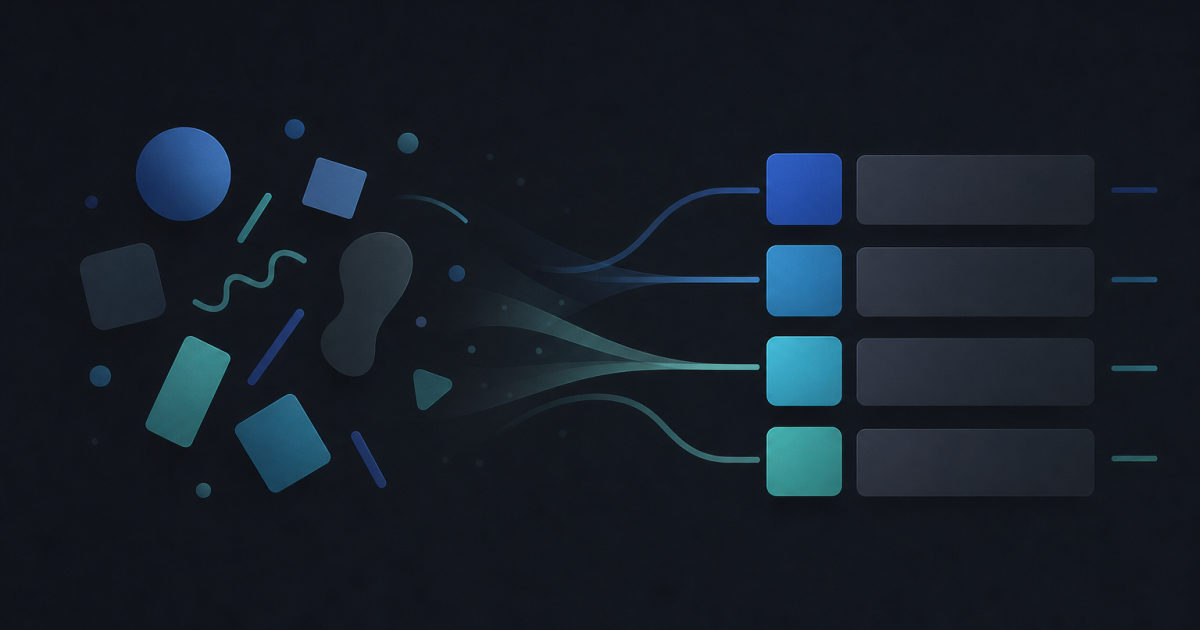
The most useful study techniques for exams help you engage with the material without spending every available hour in the library. When you have a large amount to remember, simply reading your notes again and again can feel productive, but it does not make you practice retrieving what you know.
The answer is not necessarily to study harder. It is to make your sessions more active, focused and manageable. The following ten techniques cover recall, review timing, explanation, mixed practice, visual learning and exam preparation. You will also see how AtomAI can support each one through its Chat, Read and Study features, as well as its Chrome extension.

1. Use active recall instead of passive review
Active recall means retrieving information from your memory rather than just reading or watching it. Think about the difference between looking at the solution to a math problem and solving the problem yourself. Retrieval takes more effort, but that effort helps build stronger pathways to the information, making it easier to remember under exam pressure.
Instead of reading your notes from beginning to end, upload them to AtomAI’s Study feature. It can turn the material into flashcards, multiple-choice questions and matching questions. Answering these prompts forces you to recall key ideas rather than simply recognize familiar words on a page.
2. Add spaced repetition to your study techniques for exams
You naturally forget information over time. Spaced repetition addresses this by scheduling reviews at increasing intervals. You might review a concept one day after learning it, return to it three days later and then check it again after a week. As this guide to spaced repetition explains, revisiting material this way interrupts the forgetting curve and helps move knowledge into long-term memory.
You can use an AtomAI study set to keep the process simple. Go through the flashcards on Day 1. On Day 3, revisit the set and concentrate on the cards you found difficult. On Day 7, complete another run-through. Your study materials stay organized and ready for each scheduled review.
3. Try the Feynman Technique
The Feynman Technique asks you to explain a complex topic in your own words as though you were teaching it to a 12-year-old. It follows the idea often associated with physicist Richard Feynman: “If you can’t explain it simply, you don’t understand it well enough.” When your explanation becomes vague, depends on complicated jargon or stops altogether, you have found a gap in your understanding.
If you get stuck, open AtomAI’s Chat feature and ask for a simpler explanation. For example, you could write, “Explain the Krebs cycle in simple terms.” Read the response, then close it and explain the concept again in your own words. Use the simpler version as a benchmark, not as something to memorize word for word.
4. Mix related topics through interleaving
Blocking means studying one topic or subject for a long, uninterrupted period. Interleaving takes a different approach by switching between related topics. You could alternate between historical periods, biological processes or different types of math problems instead of spending three hours on one category.
This method may feel harder because your brain must work out which information or approach applies each time. That extra retrieval effort can support long-term retention. To practice it with AtomAI, upload notes from two or three related chapters and create one larger study set. The resulting flashcards and questions will mix the concepts instead of keeping every topic in a separate block.

5. Get answers without leaving your study material
A quick search can easily become a distraction. You may open a new tab to look up one unfamiliar term in a digital textbook, then realize 20 minutes later that you have moved on to unrelated videos or pages. Switching contexts also breaks your concentration and makes it harder to return to the original task.
The AtomAI Chrome extension lets you get an explanation without leaving the page. Highlight text on a webpage, right-click it and ask AtomAI to explain it. The response appears in a pop-up window, so you can resolve the question and continue reading the same material.
6. Turn information into visual formats
Visual cues can make information more memorable for many people. A mind map, diagram, table or chart can show relationships that are difficult to see in a long list of facts. The goal is not to decorate your notes, but to arrange the ideas in a form you can understand and recall.
AtomAI’s Chat feature can help you produce the structured material for a visual. You might ask it to “List the main causes and effects of the Industrial Revolution in a table format.” You can then transfer that organized information into a mind map or another visual layout that makes sense to you.
7. Teach what you have learned
Teaching overlaps with the Feynman Technique, but it adds the pressure of presenting a complete explanation to someone else. Explaining a topic to a study partner forces you to organize your thoughts, connect the main ideas and notice where your understanding is weak.
If a study partner is not available, use questions generated by AtomAI as teaching prompts. Work through them one at a time and answer each one aloud. Do not stop after stating the correct answer. Explain why it is correct and how it connects to the wider topic. If your reasoning breaks down, return to that part of your notes.
8. Use short micro-study sessions
A spare 15 minutes before class or while waiting for a bus can be useful for a quick review. These short sessions are not a replacement for focused study, but they give you more opportunities to retrieve information throughout the day.
Because AtomAI is a web app, you can open your study sets on a phone or laptop wherever you have a few minutes. Use that time to review a small group of flashcards rather than trying to cover an entire chapter. Several short sessions each day can add up to hours of productive review over a week.
9. Simulate the exam environment
Practicing under exam-like conditions can make the real experience feel more familiar and reduce some exam-day anxiety. Set a timer, put away your notes and remove distractions. Then complete a practice test under conditions that are as close as possible to those you expect in the exam.
You can use multiple-choice questions generated from your notes as a mock exam. This gives you practice retrieving information while working against the clock. Your results also provide a clearer indication of how well you know the material and which areas need another review.
10. Protect your well-being
Well-being is easy to treat as optional when an exam is close, but all-nighters and skipped meals are counterproductive. A well-rested brain can learn and recall information more effectively. Get enough sleep, stay hydrated and take regular breaks rather than trying to study continuously.
AI cannot make you sleep or take a break, but it can reduce the time spent preparing study materials. AtomAI can generate flashcards and questions from your documents, leaving you more time for the rest and relaxation your brain needs. Efficiency matters most when it helps you study without sacrificing basic care.
Try AtomAI to turn your notes into an interactive study set and begin reviewing them with active questions. Try AtomAI free
Effective exam preparation is more active than repeatedly staring at a textbook. Recall the material, space out your reviews, explain difficult concepts, mix related topics and practice in exam-like conditions. Visual formats, teaching and short review sessions can give you additional ways to work with the same information.
You do not need to use all ten techniques in every session. Choose the ones that fit the subject and the time you have, then apply them consistently. Most importantly, protect your sleep, meals and breaks while you prepare. A sustainable routine gives you a better chance of reaching the exam able to use what you have learned.